La librería de Blurb
Explora nuestra cantera de talentos
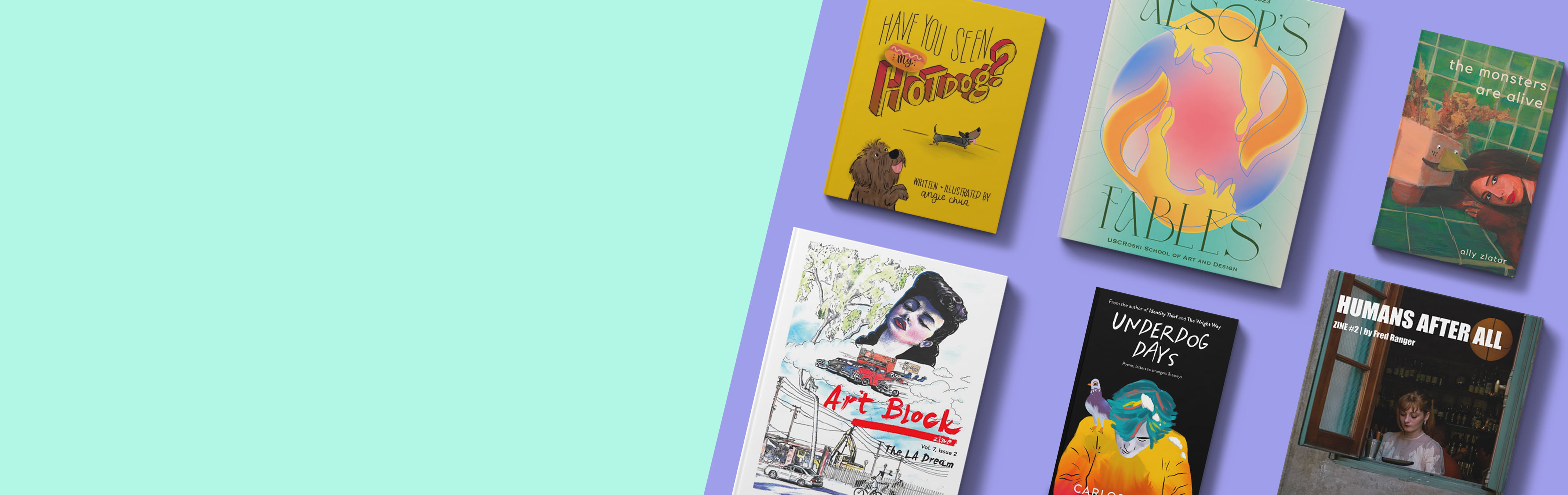
Títulos que te encantarán y las categorías que más te gustan, descubre los libros autopublicados por nuestros creadores.
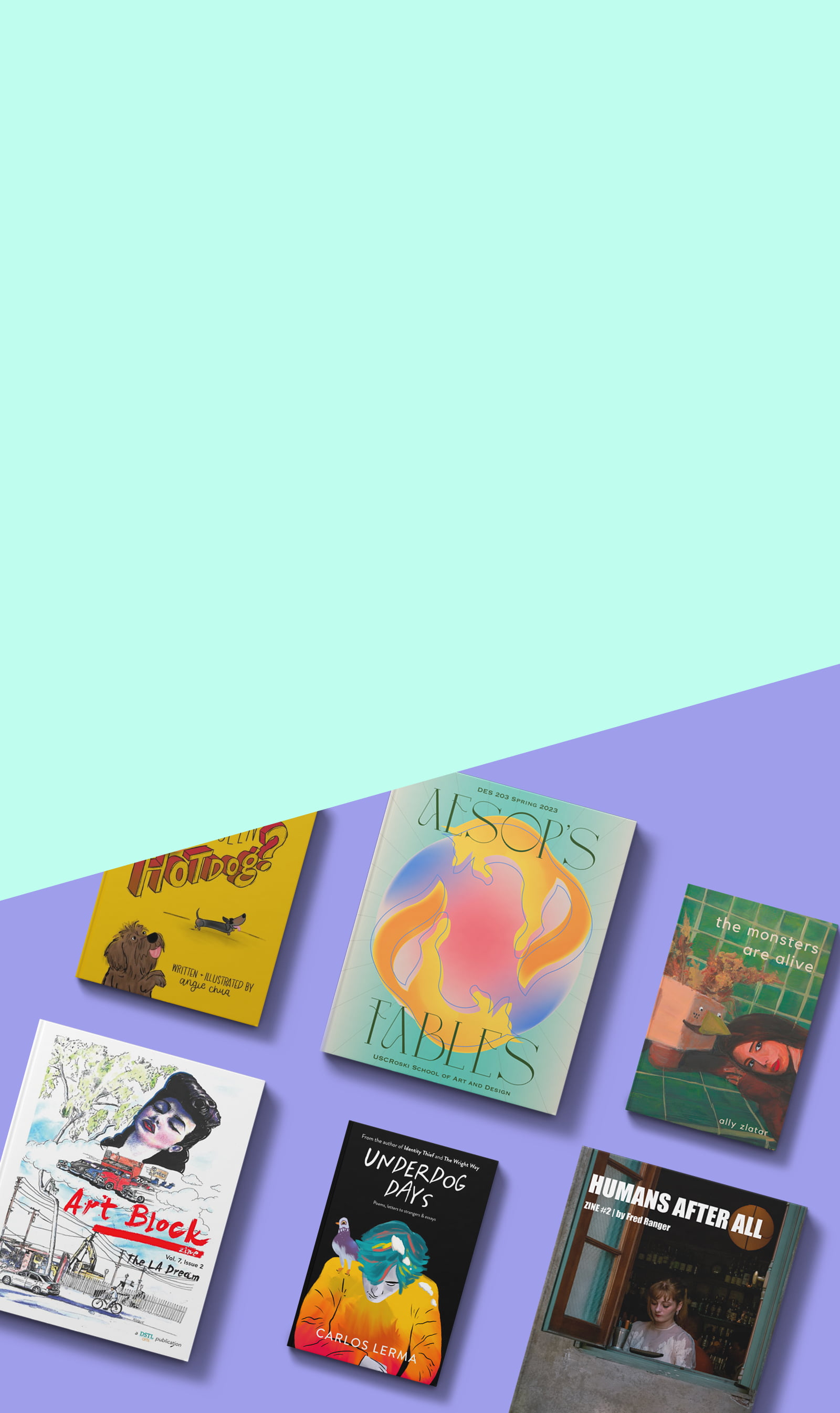
Títulos que te encantarán y las categorías que más te gustan, descubre los libros autopublicados por nuestros creadores.
Consigue acceso a ofertas exclusivas por email uniéndote a la comunidad creativa de Blurb.
Al continuar, aceptas los Términos y condiciones y la Política de privacidad.